The 16 Days of Activism against Gender‑Based Violence is a global campaign dedicated to raising awareness, mobilizing advocacy, and inspiring action to end violence against women and girls. It runs annually from 25 November to 10 December, linking two significant international observances: the International Day for the Elimination of Violence against Women (25 November) and Human Rights Day (10 December). This symbolic timeframe underscores the message that gender‑based violence is not only a women’s rights issue but also a fundamental human rights violation.
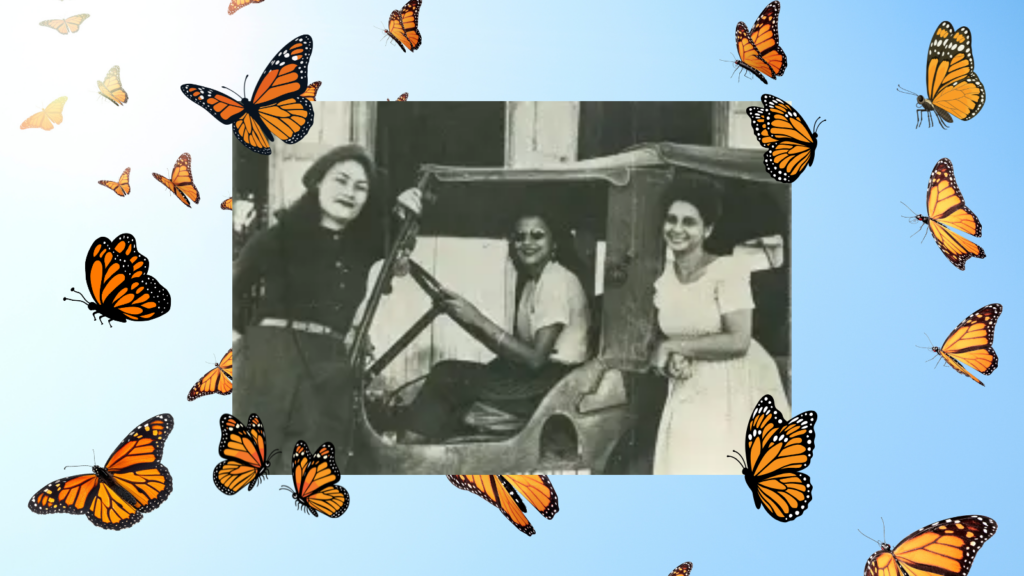
The campaign was first launched in 1991 by activists at the inaugural Women’s Global Leadership Institute, organized by the Center for Women’s Global Leadership (CWGL) at Rutgers University. The choice of dates was deliberate. 25 November commemorates the 1960 assassination of the Mirabal Reyes sisters—Patria, Minerva, and María Teresa—political activists from the Dominican Republic who were murdered for opposing the dictatorship of Rafael Trujillo. Their deaths became a rallying point for feminist movements across Latin America and beyond. 10 December, meanwhile, marks the adoption of the Universal Declaration of Human Rights in 1948, reinforcing the principle that freedom from violence is a basic human right.
Since its inception, the campaign has grown into one of the most widely recognized global advocacy efforts. According to the CWGL, more than 3,700 organizations in over 160 countries have participated, ranging from grassroots women’s groups to international NGOs, governments, and UN agencies. Activities during the 16 days vary widely—public marches, educational workshops, art exhibitions, social media campaigns, and legislative lobbying—all aimed at challenging harmful gender norms, influencing policy, and supporting survivors.
The campaign’s themes often evolve annually to address emerging issues. Past themes have included ending femicide, addressing workplace harassment, and tackling the intersection of gender‑based violence with economic inequality, armed conflict, or climate change. This adaptability allows the movement to remain relevant and responsive to global and local contexts.
Importantly, the 16 Days campaign is not just symbolic—it has contributed to tangible policy changes, such as the adoption of national action plans, the strengthening of legal protections for survivors, and increased funding for prevention programs. It also serves as a unifying platform for diverse movements, connecting women’s rights advocacy with broader struggles for social justice, equality, and human dignity.