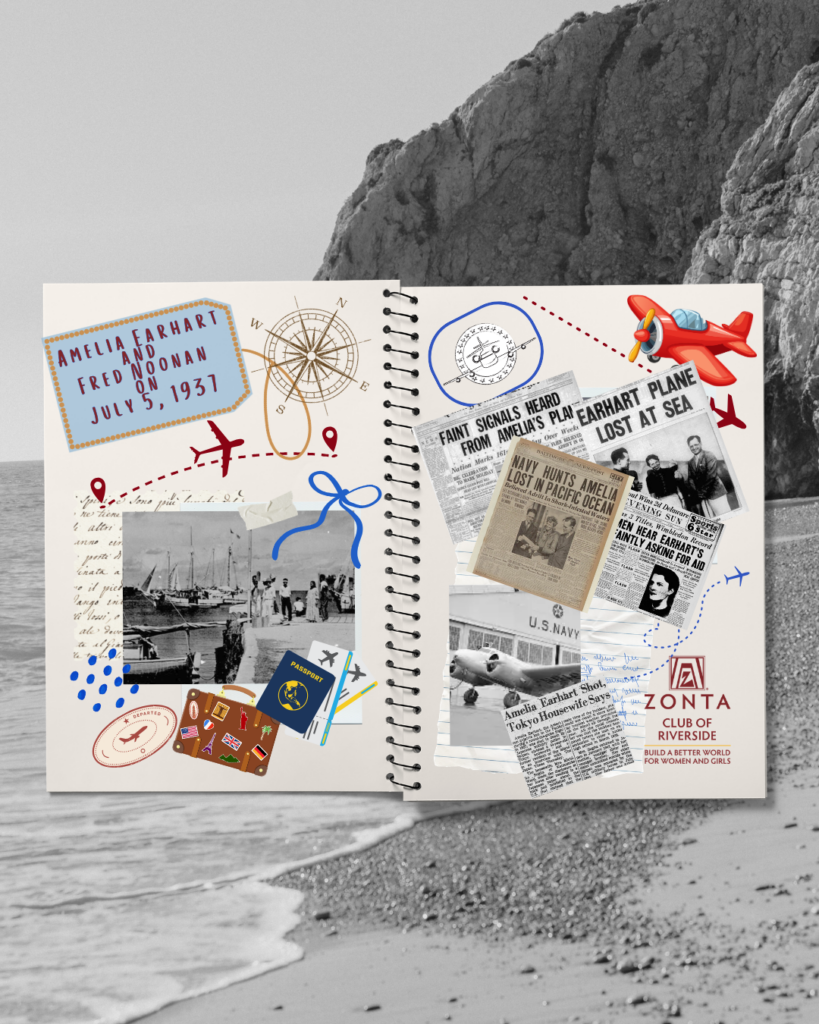
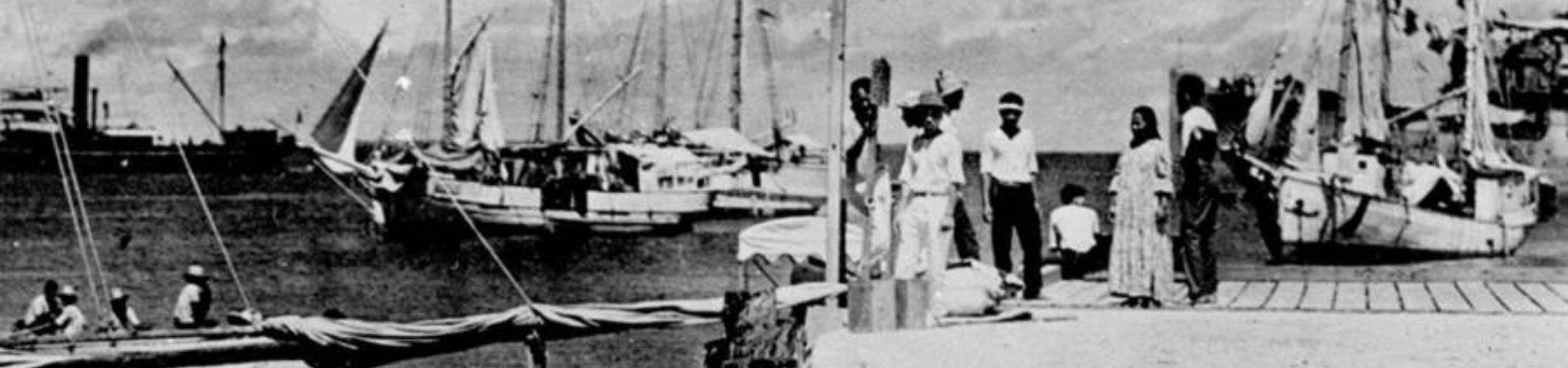
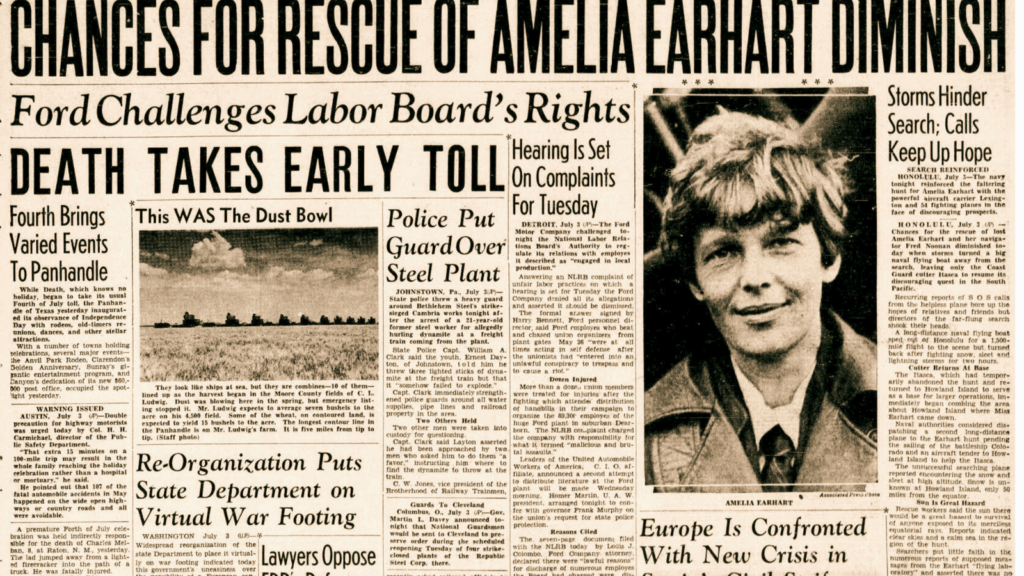
On July 5, 1937, Amelia Earhart and navigator Fred Noonan were still en route to Howland Island after their final leg of the around‑the‑world flight. They had departed Lae, New Guinea on July 2, carrying 1,100 gallons of fuel for a 2,556‑mile crossing. By July 5, they had not yet reached their destination, and the search for them was intensifying.
The flight was their most dangerous leg: finding Howland Island in the vast Pacific required precise navigation, but they faced overcast skies, headwinds, and radio problems that hampered both their position fixes and communication. Noonan, a skilled navigator trained in celestial and dead‑reckoning methods, was critical to the mission, but the Electra’s limited range and lack of advanced navigation equipment made the task perilous.
Earhart had already flown 22,000 miles, with 7,000 more to go before returning home. By July 5, the U.S. government and search forces were coordinating a massive air and sea effort, but no sign of the plane or crew had been found. The next day, July 6, would see further failed attempts to locate them, and by July 7, the search was officially suspended. Their disappearance on July 2, 1937, would remain one of aviation’s greatest mysteries