
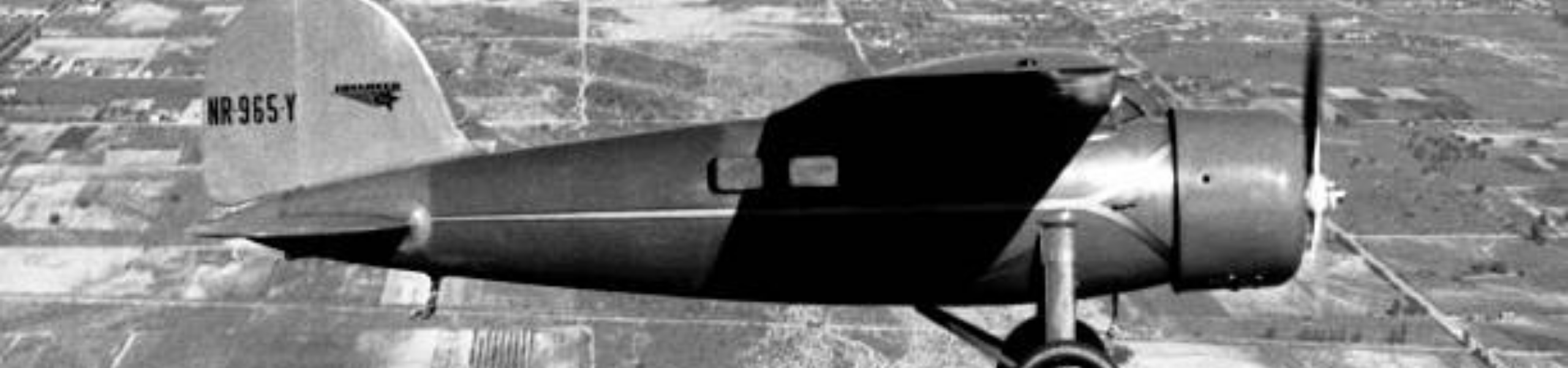
On July 2, 1937, Amelia Earhart and navigator Fred Noonan took off from Lae, New Guinea, aboard their Lockheed Electra 10E Special, NR16020, bound for Howland Island in the South Pacific. The 2,243‑nautical‑mile leg was the most dangerous of their planned circumnavigation, with the tiny island so small that missing it meant certain death in the open ocean.
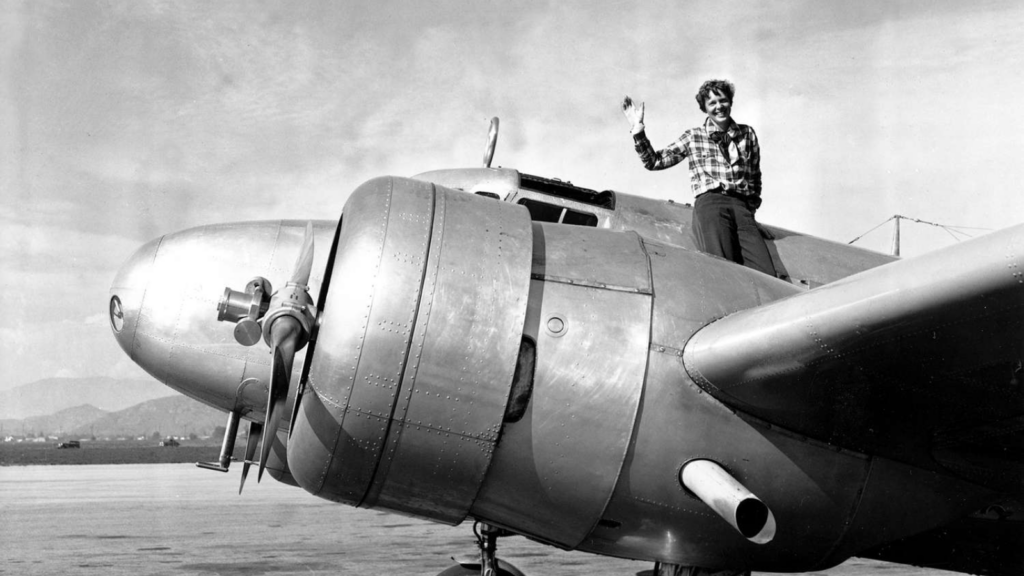
The flight was loaded with 1,100 gallons of fuel, enough for 24–27 hours of flying. Weather was poor, headwinds slowed progress, and radio contact with the U.S. Coast Guard cutter Itasca was intermittent. At 7:42 a.m., Earhart’s voice came through clearly: “We are running north and south but do not see you.” Twenty minutes later, her final transmission: “We are running north and south. Gas is running low”. Then silence.
The U.S. Navy and Coast Guard launched the largest Pacific search in history, covering 250,000 square miles over 16 days, but found nothing. Officially, the Electra ran out of fuel and crashed into the Pacific northwest of Howland, but the mystery persists, with theories ranging from crash to survival to other explanations. Earhart was declared dead in absentia on January 5, 1939.