
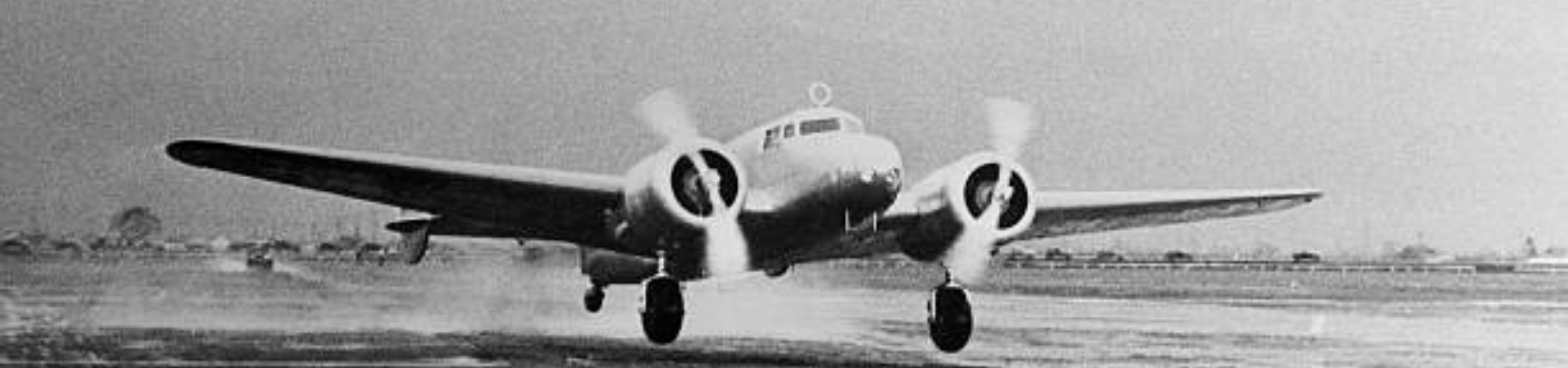
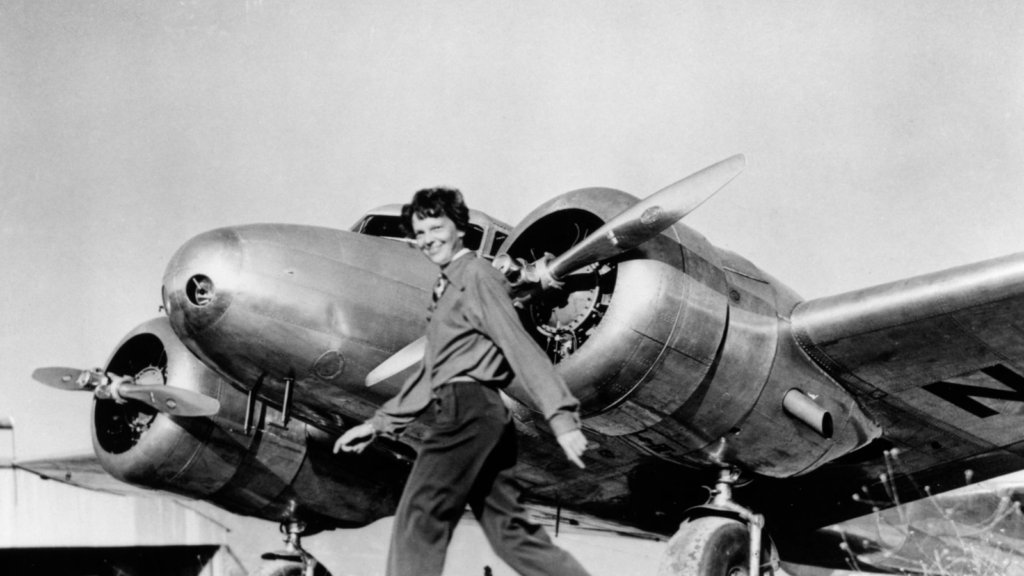
Amelia Earhart and navigator Fred Noonan were delayed at Lae, New Guinea, awaiting the start of their longest leg of the around‑the‑world flight — a 2,556‑mile hop to Howland Island in the mid‑Pacific. The Lockheed Electra was fully loaded with fuel and oil, but adverse winds and threatening clouds kept them grounded. Radio interference also disrupted Noonan’s ability to set his chronometers, which was critical for celestial navigation to pinpoint Howland’s tiny location.
Earhart and Noonan had spent the previous days repacking the aircraft, discarding unnecessary items, and preparing for the most demanding leg of the journey. Despite the setback, they remained optimistic, exploring nearby areas and maintaining their focus on the mission. This day marked a pivotal moment in their final attempt to become the first woman to circumnavigate the globe. The delay underscored the challenges they faced — not only the physical demands of long‑distance flight but also the technical and navigational risks of flying over featureless ocean. Their next scheduled departure would be the decisive step toward their disappearance on July 2, 1937, over the Pacific.