
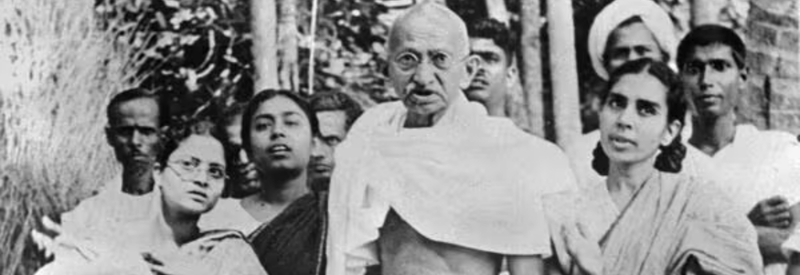
The International Day of Non-Violence, observed annually on October 2, honors the birthday of Mahatma Gandhi, a global symbol of peace and the pioneer of satyagraha — the philosophy of non-violent resistance. Established by the United Nations in 2007, this day serves as a reminder that peaceful methods can be powerful tools for social and political change.
In 2026, the observance carries renewed significance amid global challenges, from conflicts to social divisions. It encourages individuals, communities, and nations to embrace dialogue, empathy, and cooperation over aggression. Schools, organizations, and governments often mark the day with educational programs, art exhibitions, peace marches, and discussions on conflict resolution.
Gandhi’s belief that “non-violence is the greatest force at the disposal of mankind” remains deeply relevant. The day is not only about avoiding physical harm but also about rejecting hatred, prejudice, and injustice in all forms.
By reflecting on Gandhi’s legacy, the International Day of Non-Violence inspires people to take small but meaningful steps toward a more compassionate world — whether through acts of kindness, advocacy for human rights, or fostering understanding across cultural and political divides. Peace, after all, begins with each of us.